gsm prime online frp android apps. Ever found yourself staring at a locked screen, a forgotten password, or a device stubbornly refusing to grant you access? It’s a frustrating situation, a digital roadblock that can feel insurmountable. This exploration delves into the fascinating, sometimes shadowy, world of Factory Reset Protection (FRP) and the tools designed to navigate it. We’ll unravel the intricacies of GSM Prime’s role, examine the myriad of online resources and Android applications promising solutions, and chart a course through the complexities of device unlocking.
From understanding the basics of FRP to dissecting the inner workings of bypass apps, we’ll illuminate the path to reclaiming your device. We’ll explore the pros and cons of various methods, from online platforms and apps to alternative techniques, all while keeping a watchful eye on security best practices. So, prepare to embark on a journey through the digital labyrinth of FRP, where we’ll equip you with the knowledge to make informed decisions and hopefully, regain control of your digital life.
Buckle up, it’s going to be a ride!
Understanding GSM Prime and FRP (Factory Reset Protection)

Let’s delve into the fascinating world of Android device security, specifically focusing on the roles of GSM Prime and Factory Reset Protection (FRP). These elements play a crucial part in securing your device and preventing unauthorized access. We’ll explore how they work, their interaction, and how GSM Prime positions itself within this security landscape.
GSM Prime’s Function in Android Devices
GSM Prime, in the context of Android devices, serves as a specialized tool designed to interact with and potentially modify the device’s software. Its primary function involves unlocking or bypassing certain security features, particularly those related to FRP. Think of it as a key that can open doors that are normally locked.
The Purpose and Operation of FRP on Android Smartphones
Factory Reset Protection (FRP) is a security feature implemented by Google in Android devices, starting with Android 5.1 Lollipop. Its purpose is to protect your device and your data in the event of theft or loss. When FRP is enabled, it prevents unauthorized users from accessing the device after a factory reset.The core operation of FRP is tied to the Google account associated with the device.
- After a factory reset, the device will prompt the user to verify the Google account that was previously logged in.
- If the correct account credentials are provided, the device unlocks and becomes accessible.
- If the user cannot provide the correct account details, the device remains locked, effectively unusable.
This mechanism acts as a significant deterrent against device theft and unauthorized access, as it renders the device useless to anyone who doesn’t possess the original Google account credentials. It is a powerful shield against unwanted data breaches.
Comparing GSM Prime’s Role with Other FRP Bypass Methods
GSM Prime, along with other tools and methods, aims to bypass FRP. The approaches vary significantly in their complexity, effectiveness, and ethical implications. Let’s compare some common strategies.
- GSM Prime: Generally involves exploiting software vulnerabilities or using specialized firmware to circumvent FRP. It may involve flashing specific files or using software tools to alter the device’s internal settings. The success rate depends heavily on the device model, Android version, and the specific bypass method used.
- Hardware-Based Methods: This approach can include physically modifying the device, such as connecting to test points on the motherboard to access the device’s firmware directly. These methods are typically more complex and require specialized equipment and expertise. They can be risky and potentially damage the device if not executed correctly.
- Software-Based Methods (Without GSM Prime): These methods utilize various software tools, such as specific FRP bypass APKs (Android Package files) or exploit known vulnerabilities in the Android operating system. The effectiveness of these methods is often limited by the Android version and security patches installed on the device. They might require sideloading applications or using ADB (Android Debug Bridge) commands.
It is important to understand that bypassing FRP without proper authorization can be illegal and unethical. Always ensure you have the legal right to access and use the device.
Online Resources for FRP Removal
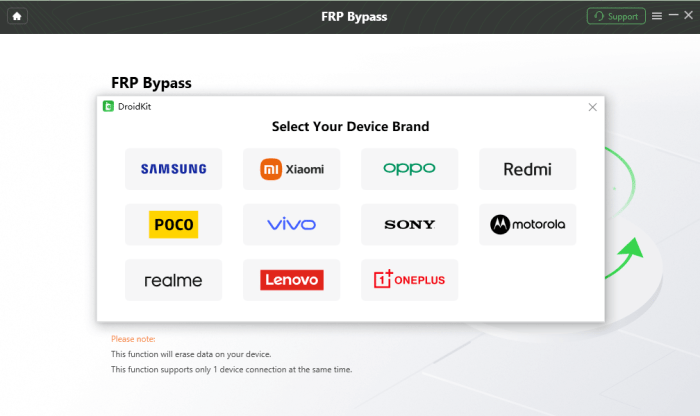
Navigating the digital landscape to bypass Factory Reset Protection (FRP) can feel like trekking through a jungle. Fortunately, the internet provides a wealth of resources to guide you, from dedicated websites to bustling online communities. However, not all paths are equally safe or effective, so a discerning approach is crucial. Let’s explore the online resources available, focusing on reputable platforms and communities offering FRP removal solutions.
Identifying Reputable Online Platforms and Forums
The quest for FRP removal often leads to a variety of online destinations. These range from established forums with seasoned members to specialized websites offering software and tutorials. The key is to distinguish between trustworthy sources and potential pitfalls. Look for platforms with active user bases, clear instructions, and consistent positive feedback. Be wary of websites that promise miraculous solutions or require excessive personal information.A good starting point is to seek out established tech forums and communities.
These platforms often host discussions on a wide range of Android-related topics, including FRP bypass. These forums frequently have dedicated sections or threads where users share experiences, troubleshooting tips, and links to relevant tools. The presence of moderators and a history of resolving issues are strong indicators of a reliable community.Another avenue is to explore websites specializing in Android device repair and unlocking.
These sites may offer FRP removal software, detailed guides, and video tutorials. However, always verify the site’s credibility by checking user reviews and independent assessments. Beware of sites that promote illegal activities or offer tools that could potentially harm your device.
Examples of Websites and Communities Providing Tools and Guides for FRP Bypass
Several online resources stand out as valuable sources of information and tools for FRP removal. These platforms offer a range of solutions, from software downloads to step-by-step guides.* XDA Developers Forum: XDA Developers is a well-respected forum with a vast community of Android enthusiasts. It contains a dedicated section for Android device development, including threads on FRP bypass methods for various devices.
Members frequently share custom ROMs, rooting guides, and FRP removal tools.
Descriptive Illustration
* Imagine a vibrant forum page with a clean layout. The top section prominently features a search bar and navigation menus. Below this, threads are categorized by device model and Android version, each with a title, the user who posted, and the date of the last reply. The threads are filled with detailed instructions, screenshots, and links to download tools.
Android Authority
This website provides comprehensive guides and tutorials on various Android-related topics, including FRP bypass. Their articles are typically well-researched and include step-by-step instructions with accompanying screenshots.
Descriptive Illustration
* Visualize a website article with a clear, easy-to-read layout. The article title is prominent, followed by a detailed introduction. The body of the article includes numbered steps, each with clear explanations and illustrative screenshots. The article concludes with a summary and links to related resources.
GSM-Prime (Specific Guides)
This platform, specifically known for providing guides, may include detailed tutorials and software downloads to remove FRP from various Android devices.
Descriptive Illustration
* A website with a clean interface is shown. The page is designed with clear sections and step-by-step instructions accompanied by images to facilitate the process.
YouTube Channels (Tutorials)
Numerous YouTube channels offer video tutorials on FRP bypass. These videos often demonstrate the process visually, making them accessible to users of all skill levels.
Descriptive Illustration
* The illustration is a screenshot of a YouTube video tutorial. The video shows a person using a computer and an Android device. The screen displays the Android device’s settings, while the computer screen shows the steps being performed. The video has clear audio instructions and on-screen text to guide the viewer.
Table: Pros and Cons of Using Online FRP Removal Resources
Utilizing online resources for FRP removal presents both advantages and disadvantages. This table provides a balanced perspective, outlining the potential benefits and drawbacks of using these platforms.
| Pros | Cons | Considerations |
|---|---|---|
| Accessibility: Many resources are freely available and accessible to anyone with an internet connection. | Security Risks: Downloading software from untrusted sources can expose your device to malware and viruses. | Always scan downloaded files with a reputable antivirus program before installation. |
| Variety of Solutions: Online platforms offer a wide range of FRP removal methods, catering to different device models and Android versions. | Effectiveness Varies: Not all solutions work for all devices, and some methods may be outdated or ineffective. | Research the specific method for your device model and Android version before attempting a bypass. |
| Community Support: Forums and communities provide a platform for users to share experiences, troubleshoot issues, and seek assistance. | Potential for Bricking: Incorrectly following instructions or using incompatible tools can potentially “brick” your device, rendering it unusable. | Carefully read and understand the instructions before proceeding. Back up your data whenever possible. |
| Cost-Effectiveness: Many online resources offer free or low-cost FRP removal solutions, avoiding the need for expensive professional services. | Legality Concerns: Using FRP removal tools on devices that are not legitimately owned may violate local laws and regulations. | Ensure you have legal ownership of the device before attempting to remove FRP. |
Android Apps for FRP Bypass
Navigating the digital landscape of Android devices, encountering the Factory Reset Protection (FRP) feature can sometimes feel like stumbling upon a locked treasure chest. While designed to safeguard user data, there are scenarios where legitimate users find themselves locked out of their own devices. Consequently, a variety of Android applications have emerged, offering potential solutions for bypassing FRP. However, approaching these applications requires careful consideration of their capabilities, features, and the inherent security implications involved.
Android Applications for FRP Bypass: Overview
The market offers a range of applications tailored to FRP bypass. These apps, often available through third-party websites and sideloading, claim to provide solutions for regaining access to locked devices.Here’s a list of some commonly encountered Android applications used for FRP bypass:
- GSM Flasher Tool: A popular choice, GSM Flasher Tool, typically involves connecting the Android device to a computer and using the software to flash a modified firmware or exploit vulnerabilities within the existing system to disable FRP.
- UnlockTool: UnlockTool provides a comprehensive suite of features, including FRP bypass functionality, and supports a wide array of Android device models.
- Octoplus FRP Tool: Known for its extensive device support, Octoplus FRP Tool is another application often used to circumvent FRP restrictions.
- Miracle Box: Miracle Box is a versatile tool that often includes FRP bypass capabilities alongside other mobile device repair and maintenance features.
- Samsung FRP Helper: Specifically designed for Samsung devices, Samsung FRP Helper aims to simplify the FRP bypass process for this brand.
- RealTerm: RealTerm is a serial communication program that, when used with specific ADB commands and exploits, can sometimes be used to bypass FRP.
- SideSync (for older Samsung devices): For some older Samsung models, SideSync, a software that facilitates device mirroring, could be leveraged to bypass FRP by accessing the device’s settings.
Common Features Found in FRP Bypass Apps
FRP bypass applications, while varying in their specific functionalities, generally share a set of common features. Understanding these features can help users assess the potential of each tool.
- ADB (Android Debug Bridge) Support: Many FRP bypass tools utilize ADB, a command-line tool, to communicate with the Android device. This allows the application to send commands and manipulate the device’s system files.
- Firmware Flashing Capabilities: Some applications offer the ability to flash modified firmware or custom recovery images onto the device. This can be used to overwrite the FRP settings or install a modified system that circumvents the protection.
- Exploitation of Vulnerabilities: Certain FRP bypass tools exploit known vulnerabilities in the Android operating system or specific device models. This can involve using exploits to gain access to the device’s system files or disable FRP.
- Device Model Detection: Most FRP bypass applications have the ability to detect the connected Android device’s model. This is crucial for selecting the appropriate bypass method, as the process varies depending on the device manufacturer and model.
- One-Click Bypass Options: Some applications offer “one-click” solutions, simplifying the FRP bypass process for less technically savvy users. These options automate the process, guiding users through the necessary steps.
- Support for Various Android Versions: A critical feature is the ability to support different Android versions. As Android updates, FRP bypass methods must adapt to remain effective.
- User Interface: A user-friendly interface is essential, particularly for those unfamiliar with complex Android system modifications. Clear instructions and visual cues guide users through the process.
Security Implications of Using FRP Bypass Applications
The use of FRP bypass applications carries significant security risks that users must carefully consider.The inherent security risks of using FRP bypass applications include:
- Malware and Trojans: Many FRP bypass tools are sourced from untrusted websites. These tools may contain malware, Trojans, or other malicious software that can compromise the user’s device, steal data, or install unwanted applications. Consider the potential for hidden payloads in seemingly legitimate software. For example, a seemingly harmless FRP bypass tool might, in the background, be harvesting user credentials or installing a keylogger.
- Device Instability and Bricking: Incorrect use of FRP bypass tools, particularly those involving firmware flashing or system modifications, can lead to device instability or “bricking,” rendering the device unusable. The risk is heightened when using tools that are not specifically designed for the device model or Android version.
- Data Breaches: If an FRP bypass tool contains malicious code, it could potentially expose the user’s personal data, including contacts, photos, and other sensitive information. Consider the potential for a compromised tool to upload user data to a remote server.
- Voiding Warranty: Using unofficial FRP bypass methods will often void the device’s warranty. This means that the manufacturer is no longer obligated to provide support or repair the device if it malfunctions.
- Legal Implications: In some jurisdictions, bypassing FRP on a device that does not belong to the user may be illegal. Always ensure that you have the legal right to access and modify the device.
- Security Vulnerabilities: The very act of bypassing FRP can introduce new security vulnerabilities. For instance, a modified system might be less resistant to other attacks, making the device more susceptible to malware or other threats.
Procedure: Using FRP Bypass Apps
Alright, let’s get down to brass tacks and talk about how you actuallyuse* those FRP bypass apps we’ve been chatting about. Think of it like a treasure hunt, but instead of a map, you’ve got an app, and the treasure is your unlocked phone. This process, while seemingly straightforward, sometimes throws curveballs. So, buckle up, and let’s get this show on the road.
Step-by-Step Guide: FRP Bypass App Usage
Using an FRP bypass app typically involves a few key steps. Each app might have its quirks, but the general flow is pretty consistent. It’s like learning to ride a bike – once you get the hang of it, you’ll be bypassing FRP like a pro.Here’s a breakdown of the typical process, designed to be as clear as a freshly cleaned screen:
- Download and Install the App: You’ll need to get the FRP bypass app onto your phone. Since you can’t access the Google Play Store (that’s the problem, right?), you’ll usually need to sideload it. This means downloading an APK file (Android Package Kit) from a source you trust and installing it directly. Think of it as a backdoor into your phone. Ensure you have enabled “Install from Unknown Sources” in your phone’s settings (usually found in the Security or Privacy settings).
- Connect to Wi-Fi: Make sure your phone is connected to a Wi-Fi network. This is crucial because the app will likely need an internet connection to work its magic, accessing online resources or potentially downloading additional files. Without Wi-Fi, you’re dead in the water.
- Launch the App: Once installed, find the app icon (it might have a generic name or be branded). Tap it to launch the app.
- Follow the App’s Instructions: This is where things can vary a bit depending on the specific app. The app will guide you through the next steps. These usually involve:
- Selecting Your Android Version: The app might ask you to specify the Android version running on your phone. Choosing the wrong version can lead to failure, so make sure you know your phone’s Android version. You can usually find this information in the “About Phone” section of your phone’s settings.
- Bypassing FRP: The app will usually provide a button or option to start the FRP bypass process. This might involve tapping a button that says “Bypass FRP,” “Remove FRP,” or something similar.
- Navigating to Settings: The app might guide you to open your phone’s settings. The goal here is usually to get to the “Accounts” section to add a new Google account, effectively bypassing the FRP lock.
- Add a New Google Account: Once in the “Accounts” section, add a new Google account. This is the account that will now be associated with your phone. You can either sign in with an existing account or create a new one.
- Restart Your Device: After adding the account, restart your phone. This is a crucial step to ensure the changes take effect.
- Verify FRP Bypass: After restarting, your phone should boot up normally, bypassing the FRP lock. You should be able to access your phone and use it as usual. You might be prompted to set up your Google account during the initial setup process; this is normal.
Troubleshooting: What to Do When Things Go Wrong
Not every FRP bypass attempt is a walk in the park. Sometimes, you’ll hit a snag. But don’t despair! Here’s a troubleshooting guide to help you navigate those tricky situations. Think of this as your phone’s emergency toolkit.Here are some common problems and how to tackle them:
- App Doesn’t Work: The app might fail to bypass FRP.
- Solution: Try a different FRP bypass app. There are many available, and some work better than others on specific devices or Android versions. Research and try a few different options.
- Android Version Incompatibility: The app might not support your phone’s Android version.
- Solution: Double-check the app’s compatibility list. If it doesn’t support your version, search for an app that does. Also, consider trying older or newer versions of the app if available. Sometimes, a slightly older version works better.
- Sideloading Issues: You might have trouble sideloading the app.
- Solution: Ensure you have enabled “Install from Unknown Sources” in your phone’s settings. If you still can’t install the app, make sure the APK file is not corrupted and that you have enough storage space on your phone. Consider downloading the APK from a different, trusted source.
- App Gets Stuck: The app might get stuck during the bypass process.
- Solution: Restart your phone and try again. Sometimes, a simple restart can clear up any temporary glitches. If it continues to get stuck, try a different app or method.
- Account Verification Issues: You might encounter problems adding a new Google account.
- Solution: Ensure you have a stable Wi-Fi connection. Double-check that you are entering your Google account credentials correctly. If you are creating a new account, make sure you fill in all the required information.
- Phone Still Locked: After restarting, your phone might still be locked.
- Solution: Try restarting your phone again. If that doesn’t work, go through the bypass process again, carefully following each step. If all else fails, consider seeking professional help from a phone repair shop or a specialist who deals with FRP bypass. They might have more advanced tools and techniques.
Remember, patience and persistence are key. FRP bypass can be tricky, but with the right approach and a bit of troubleshooting, you can usually get your phone unlocked.
Compatibility and Device Support
Navigating the world of FRP bypass apps means understanding their limitations. Not every app works on every device, and compatibility varies based on several factors. Knowing which apps support which Android versions and device models is crucial for a successful FRP removal attempt. This section will delve into the intricacies of compatibility, providing a clear overview of supported devices and the reasons behind these limitations.
Android Versions and Device Model Support
The success of any FRP bypass app hinges on its ability to interact with the device’s operating system and security protocols. Android versions play a significant role in this interaction. Older versions have different security measures compared to newer ones. Similarly, device models, which often have customized software and hardware, can further complicate the process.Here’s a breakdown of the typical support landscape:
- Android Versions: Most FRP bypass apps target a specific range of Android versions. For instance, some apps might be effective on Android 6.0 (Marshmallow) to Android 9.0 (Pie), while others focus on more recent versions like Android 10 (Q) to Android 12 (Snow Cone). Newer apps are constantly emerging to address the security updates in the latest Android releases, such as Android 13 (Tiramisu) and Android 14 (Upside Down Cake).
- Device Models: Device manufacturers like Samsung, Google, Xiaomi, and others implement their own security measures and custom user interfaces (like One UI for Samsung). Consequently, an app designed for Samsung devices might not work on a Google Pixel or a Xiaomi phone.
- Chipsets: The chipset (e.g., Qualcomm Snapdragon, MediaTek, Exynos) within a device also influences compatibility. Some FRP bypass methods exploit vulnerabilities specific to certain chipsets.
Compatibility Information Table
To illustrate compatibility, here is a table that provides examples of FRP bypass apps and their general support:
| App Name | Supported Android Versions | Typical Supported Device Brands | Notes |
|---|---|---|---|
| GSM Flasher Tool | Android 6.0 – Android 12 | Samsung, LG, Motorola | May require specific drivers and ADB access. |
| FRP Bypass APK | Android 5.0 – Android 11 | Samsung, Huawei, Xiaomi | Often relies on side-loading APK files. |
| RealTerm | Android 4.0 – Android 7.0 | Primarily older devices | Utilizes AT commands to access the device. |
| UnlockTool | Android 8.0 – Android 14 | Wide range of brands, including Samsung, Xiaomi, Oppo, Vivo, Realme, etc. | Offers paid services, often providing more comprehensive support. |
This table provides a snapshot of the general compatibility. Keep in mind that specific device models within these brands and Android versions may have varying success rates.
Factors Influencing Compatibility
Several factors determine whether an FRP bypass tool will function correctly on a specific device.
- Android Security Patch Level: Android updates include security patches that close vulnerabilities exploited by FRP bypass apps. A device with the latest security patches might be immune to certain bypass methods.
- Device Firmware: The specific firmware version (the software running on the device) can influence compatibility. Custom ROMs or modified firmware can also affect the process.
- Manufacturer’s Security Measures: Samsung, for example, has implemented robust security features that make FRP bypass more challenging. Other manufacturers have their own proprietary methods to prevent unauthorized access.
- App Updates: FRP bypass apps are continuously updated to address new security measures and expand compatibility. Using an outdated version of an app might lead to failure.
- User Error: Incorrectly following the app’s instructions, not providing the necessary permissions, or not connecting the device properly can also lead to failure.
Understanding the interplay of these factors is critical for selecting the right FRP bypass tool and increasing the likelihood of success.
Risks and Considerations
Venturing into the world of FRP bypass apps is akin to navigating a minefield. While these tools offer a seemingly convenient solution, they come with a host of potential dangers that demand careful consideration. Proceeding without awareness is like walking blindfolded; the consequences can be significant.
Potential Risks of Using FRP Bypass Apps, Gsm prime online frp android apps
The use of FRP bypass applications carries inherent risks that can range from minor inconveniences to severe security breaches. It’s essential to understand these risks before attempting any bypass procedure.
- Malware Infection: Many FRP bypass apps are sourced from untrusted websites or repositories. Downloading and installing these apps can expose your device to malware, viruses, and other malicious software. These threats can compromise your personal data, steal your credentials, and even render your device unusable. Imagine your phone suddenly displaying strange pop-ups or behaving erratically – a clear sign of infection.
- Data Loss: The FRP bypass process may involve resetting your device or modifying system files. These actions can lead to data loss, including photos, videos, contacts, and other important information. Always back up your data before attempting any FRP bypass procedure. Consider it like emptying your pockets before a rollercoaster ride – you wouldn’t want to lose your keys!
- Device Instability: Modifying the Android operating system can cause device instability. This can manifest as frequent crashes, boot loops (where the device continuously restarts), or other performance issues. In some cases, these issues can brick your device, making it unusable.
- Warranty Voiding: Using FRP bypass apps often violates the terms of your device’s warranty. If your device experiences issues after a bypass attempt, the manufacturer may refuse to provide support or repairs. This means you might be stuck with a non-functional device and no recourse.
- Security Vulnerabilities: Bypass apps may introduce security vulnerabilities to your device. This could make your device susceptible to hacking, unauthorized access, and data breaches. It’s like leaving your front door unlocked – inviting trouble.
Legal and Ethical Implications of Bypassing FRP
Beyond the technical risks, bypassing FRP raises significant legal and ethical concerns. Understanding these implications is crucial for making informed decisions.
- Violation of Terms of Service: Bypassing FRP often violates the terms of service of both the device manufacturer and the operating system provider (Google). This can lead to legal action in extreme cases, though this is rare.
- Unauthorized Access: If the device doesn’t belong to you, bypassing FRP constitutes unauthorized access to someone else’s property. This is a serious offense with potential legal repercussions.
- Ethical Considerations: Using FRP bypass apps to access a device that isn’t yours raises ethical questions. It’s important to consider the potential harm you could inflict on the device owner, such as accessing their personal data or compromising their privacy.
- Potential for Criminal Activity: FRP bypass tools can be used for malicious purposes, such as accessing stolen devices or removing security measures from devices used for illegal activities. This is a serious offense that can result in criminal charges.
Warning: The use of FRP bypass tools is undertaken at your own risk. GSM Prime and its affiliates are not responsible for any damage, data loss, or legal consequences arising from the use of these tools. Always back up your data and proceed with caution. Ensure you have the legal right to access the device before attempting any FRP bypass procedure.
Alternatives to FRP Bypass Apps
Navigating the complexities of FRP removal extends beyond the convenience of apps. While FRP bypass apps offer a readily accessible solution, alternative methods provide different approaches, each with its own set of strengths and weaknesses. Understanding these alternatives is crucial for a comprehensive understanding of FRP removal and allows for a more informed decision based on the specific circumstances.
Comparing FRP Bypass Apps with Firmware Flashing
Firmware flashing presents a stark contrast to the app-based approach. Instead of exploiting vulnerabilities within the existing Android system, this method involves rewriting the device’s operating system entirely. This process can be more involved but offers a more permanent and often more reliable solution.
- FRP Bypass Apps: These apps are generally quicker and easier to use. They often exploit known vulnerabilities in older Android versions or specific device models. Their main advantage lies in their simplicity, requiring minimal technical expertise. However, they are often model-specific, and their effectiveness diminishes as Android security updates are released, patching the vulnerabilities they rely on.
- Firmware Flashing: This involves installing a new version of the Android operating system. This could be a stock firmware (the original software from the manufacturer) or a custom ROM. Flashing usually involves using a computer and specialized software, such as Odin for Samsung devices or Fastboot for others. It can be a more involved process and carries a higher risk if not performed correctly, potentially leading to a “bricked” device (rendered unusable).
However, it is a more comprehensive solution, often bypassing FRP permanently, and is less reliant on specific vulnerabilities. It also allows for the installation of a newer, potentially more secure, operating system.
Advantages and Disadvantages of Alternative FRP Removal Techniques
Beyond app-based solutions, several alternative methods exist, each offering a different balance of benefits and drawbacks. These alternatives range from software-based solutions to hardware-based approaches, catering to various levels of technical expertise and device models.
- Advantages of Alternative Techniques:
- Higher Success Rate: Firmware flashing and other advanced techniques often have a higher success rate, especially on newer devices or those with updated security patches.
- Permanent Solution: These methods frequently provide a more permanent solution, as they modify the device’s core software.
- Wider Device Compatibility: Some methods are applicable across a broader range of devices compared to app-based solutions, which are often model-specific.
- Disadvantages of Alternative Techniques:
- Complexity: Alternative techniques often require a higher level of technical expertise and familiarity with device flashing procedures.
- Risk of Bricking: Improper flashing or the use of incorrect firmware can potentially “brick” the device, rendering it unusable.
- Time-Consuming: The process can be more time-consuming compared to the quick execution of an FRP bypass app.
Hardware Tools and Services for FRP Removal
For those facing persistent FRP issues or handling a large volume of devices, specialized hardware tools and professional services offer advanced solutions. These options often provide a more reliable and streamlined approach, especially for complex or heavily secured devices.
- Hardware Tools:
- USB Dongles: These are small, specialized devices that connect to the phone via USB. They often contain pre-loaded software or exploit code to bypass FRP. Examples include tools from brands like UMT (Ultimate Multi Tool) and MRT (Miracle Reset Tool).
- JTAG Boxes: JTAG (Joint Test Action Group) boxes are used for low-level access to the device’s internal components. They can be used to read and write directly to the device’s memory, bypassing FRP and other security features. These tools are typically used by professional technicians.
- Desoldering Equipment: Advanced techniques might involve desoldering the eMMC chip (the device’s storage) to directly access and modify the data. This requires specialized equipment and expertise.
- Professional Services:
- Mobile Repair Shops: Many mobile repair shops offer FRP removal services. They often utilize the hardware tools mentioned above or specialized software. Prices and success rates vary depending on the device model and the shop’s expertise.
- Online Unlocking Services: Several online services offer remote FRP removal. These services usually require the IMEI number of the device and may involve providing remote access to the device. The reliability and legitimacy of these services vary, so thorough research and caution are advised.
Security Best Practices
Keeping your Android device secure is paramount, especially when navigating the complexities of FRP. Proactive measures are crucial to minimize the risk of being locked out of your device and to protect your personal data. This section focuses on essential practices to safeguard your device and data.
Preventing FRP Lockouts
Avoiding FRP lockouts starts with understanding the triggers and implementing preventative measures. This involves more than just remembering your Google account credentials; it requires a comprehensive approach to device security.
- Secure Your Google Account: Ensure your Google account is protected with a strong, unique password and two-factor authentication. Regularly review your account activity for any suspicious logins or unauthorized changes.
- Enable Screen Lock: Always use a screen lock (PIN, password, pattern, or biometric) to prevent unauthorized access to your device. This is the first line of defense against unwanted use.
- Understand Factory Reset Triggers: Be aware of the actions that can trigger an FRP lock, such as performing a factory reset through the recovery menu or flashing a custom ROM. Only perform these actions if you are certain you know your Google account credentials.
- Keep Your Device Updated: Regularly update your Android operating system and security patches. Updates often include critical security fixes that can protect against vulnerabilities exploited by malicious actors.
- Avoid Suspicious Downloads: Be cautious when downloading apps from sources other than the Google Play Store. These apps could contain malware that compromises your device and potentially triggers an FRP lockout.
- Regular Data Backups: Create regular backups of your device data, including contacts, photos, videos, and documents. Backups are invaluable in case of data loss due to a factory reset or other unforeseen circumstances.
Backing Up Device Data
Data loss can be a significant setback, so having a reliable backup strategy is essential. Several methods can be employed to back up your device data, ensuring you can restore your information if needed.
- Google Account Backup: Android devices automatically back up certain data (contacts, calendar events, app data) to your Google account. Verify that this feature is enabled in your device settings.
- Using Built-in Backup Features: Most Android devices have built-in backup features that allow you to back up your data to your internal storage or an external storage device. These features can often back up your photos, videos, documents, and settings.
- Cloud Storage Services: Utilize cloud storage services like Google Drive, Dropbox, or OneDrive to back up your files. These services provide off-site storage and easy access to your data from any device.
- Third-Party Backup Apps: Explore third-party backup apps available on the Google Play Store. These apps often offer more advanced backup options, such as backing up specific app data or scheduling automatic backups.
- Manual Backups: For critical data, consider performing manual backups to your computer. Connect your device to your computer via USB and copy important files to a secure location.
Verifying FRP Bypass App Authenticity
The use of FRP bypass apps carries risks, and it’s crucial to exercise extreme caution when downloading and installing them. Verifying the authenticity of an app is vital to protect your device from malware and other security threats.
- Download from Reputable Sources: Whenever possible, download FRP bypass apps from trusted sources, such as well-known tech websites or forums. Avoid downloading from unknown or suspicious websites.
- Check App Reviews and Ratings: Read app reviews and ratings from other users to get an idea of the app’s reliability and safety. Be wary of apps with consistently negative reviews or a low rating.
- Examine App Permissions: Carefully review the app permissions requested by the FRP bypass app. Be cautious of apps that request excessive or unnecessary permissions, such as access to your contacts or location.
- Scan for Malware: Use a reputable antivirus app to scan the FRP bypass app before installation. This can help detect and remove any potential malware or security threats.
- Research the Developer: Research the developer of the app to assess their credibility. Look for information about their background, experience, and reputation in the Android development community.
- Verify App Integrity: After downloading the app, check its digital signature to ensure that it hasn’t been tampered with. This can help verify that the app is authentic and hasn’t been modified by malicious actors.
Future Trends and Developments
The world of Android security is constantly evolving, with Factory Reset Protection (FRP) at the forefront of this dynamic landscape. As technology advances and threats become more sophisticated, the methods used to secure devices, and the ways around those securities, are also in a state of perpetual change. This section delves into the emerging trends, the impact of Android updates, and the predicted future of FRP bypass methods.
Emerging Trends in FRP Security Measures
FRP is no longer a static feature; it’s a moving target, adapting to the ingenuity of those attempting to circumvent it. Security researchers and developers are continually exploring new ways to strengthen FRP, leading to several emerging trends.
- Biometric Authentication Integration: Modern Android devices are increasingly incorporating biometric authentication methods, such as fingerprint scanners and facial recognition, directly into the FRP process. This adds an extra layer of security, making it harder for unauthorized users to bypass FRP, even if they have physical access to the device. For example, a stolen phone might be impossible to unlock if the original owner’s fingerprint is required for factory reset.
- Enhanced Hardware-Level Security: Manufacturers are focusing on hardware-level security measures to protect against FRP bypass. This includes incorporating secure boot processes, Trusted Execution Environments (TEEs), and secure enclaves. These features make it more difficult to tamper with the device’s firmware or bootloader, which are common points of entry for FRP bypass methods.
- AI-Powered Security: Artificial intelligence and machine learning are being used to detect and prevent FRP bypass attempts. AI algorithms can analyze user behavior patterns and device usage to identify suspicious activities that might indicate an attempt to circumvent FRP. If an AI detects unusual activity, it can trigger additional security measures or block the bypass attempt.
- Cloud-Based Security: Cloud services are playing a larger role in FRP. Devices can now communicate with cloud servers to verify the owner’s identity and device status before allowing a factory reset. This approach can help prevent unauthorized users from resetting a device, even if they have physical access. This is similar to how many modern online banking systems utilize cloud-based security to prevent fraud.
- Regular Security Audits and Bug Bounties: Manufacturers are investing in regular security audits and bug bounty programs to identify and address vulnerabilities in their FRP implementations. These initiatives encourage security researchers to find and report weaknesses, allowing manufacturers to patch them before they can be exploited.
Impact of Android Updates on FRP Bypass Methods
Android updates have a significant impact on the effectiveness of FRP bypass methods. Each new version of Android often includes security patches that close vulnerabilities exploited by existing bypass techniques.
- Patching Known Vulnerabilities: Android updates frequently patch the security holes used by FRP bypass methods. For instance, if a specific app or process is used to bypass FRP, a subsequent update may remove or disable that app, rendering the bypass method ineffective.
- Strengthening Security Protocols: Updates often strengthen the underlying security protocols that FRP relies on. This can involve changes to the authentication process, encryption algorithms, or device boot sequence. These changes make it more challenging to manipulate the device’s software and circumvent FRP.
- Introducing New Security Features: Android updates can introduce new security features that enhance FRP. These features might include stricter access controls, improved device monitoring, or more robust authentication mechanisms.
- Fragmentation Challenges: The fragmentation of the Android ecosystem, where different manufacturers use customized versions of Android, complicates the impact of updates. Updates are not always released simultaneously across all devices, leaving some devices vulnerable to older bypass methods for a longer period.
- The Cat-and-Mouse Game: The relationship between Android updates and FRP bypass methods is often a “cat-and-mouse” game. As Google releases updates to strengthen FRP, hackers and security researchers work to find new vulnerabilities and develop new bypass methods. This ongoing cycle ensures that both security and bypass techniques continue to evolve.
Future Developments in the FRP Bypass Landscape
Predicting the future is always challenging, but some trends suggest how the FRP bypass landscape might evolve. The battle between security and circumvention is likely to continue, with the following developments expected.
- More Sophisticated Bypass Techniques: As FRP becomes more secure, bypass methods will likely become more sophisticated. This could involve using advanced techniques such as exploiting zero-day vulnerabilities, reverse engineering firmware, or developing hardware-based bypass solutions.
- Increased Reliance on Hardware Manipulation: The focus might shift towards hardware-level bypass methods, as software-based methods become more difficult to exploit. This could involve modifying the device’s hardware, such as the bootloader or the secure enclave, to bypass FRP.
- The Rise of AI-Driven Attacks: AI could be used to automate and enhance FRP bypass attempts. AI algorithms could be trained to identify and exploit vulnerabilities in FRP, making the bypass process faster and more efficient.
- The Dark Web Market for Bypass Tools: The market for FRP bypass tools and services is likely to grow, with the dark web becoming a primary hub for these activities. This could lead to a proliferation of malicious tools and services that exploit FRP vulnerabilities.
- The Legal and Ethical Implications: The legal and ethical implications of FRP bypass will continue to be debated. As FRP becomes more secure, the debate over the right to repair and the ownership of digital devices will become more prominent.
- Evolution of Device Ownership: The concept of device ownership might evolve. With stronger FRP, users will have more control over their devices. The potential for a future where devices are tied more closely to the owner’s digital identity and the use of blockchain technology to prove ownership might emerge.
Illustrative Content Creation: Gsm Prime Online Frp Android Apps
Visual aids are crucial when navigating the often-complex world of FRP bypass. They provide clarity, making abstract concepts accessible and empowering users to understand and implement solutions effectively. The following descriptions aim to paint vivid pictures with words, bringing the FRP bypass process to life.
Smartphone with FRP Locked Screen
Imagine a sleek, modern smartphone, its vibrant screen displaying a stark message: “This device is locked. To continue, sign in with a Google account that was previously synced on this device.” Below the message, a grid of icons is prominently featured, representing various FRP bypass apps. Each icon is distinct, showcasing the app’s name or logo, immediately identifying its purpose.
One might see a stylized lock with a broken chain, signifying “Bypass FRP,” while another could depict a key unlocking a phone, labeled “FRP Unlocker.” Another app might display a stylized Android robot with an open hand, indicating “Easy FRP Bypass.” The background of the screen is a gradient, subtly shifting between shades of blue and gray, providing a modern and professional feel.
The phone’s status bar at the top displays the time, battery level, and Wi-Fi signal, indicating that the device is connected to the internet, a critical requirement for most bypass methods. The overall image communicates the user’s predicament and offers a visual representation of the available tools for resolving the issue.
Installing an FRP Bypass App
The illustration depicts a step-by-step narrative of installing an FRP bypass app. The sequence begins with a close-up of a smartphone’s screen, showing the user navigating the “Settings” menu. The cursor hovers over the “Security” option, a clear indication of the user’s intent to adjust security settings. The next frame shows the user selecting “Unknown Sources,” a crucial step in allowing the installation of apps from outside the Google Play Store.
A warning message appears, a standard security precaution, emphasizing the potential risks associated with installing apps from unknown sources. The user is carefully considering the warning, which is depicted in a clear and concise manner. Following this, the scene shifts to the user opening a file manager app, showing a list of downloaded files. The file representing the FRP bypass app is clearly highlighted.
Finally, the user initiates the installation process by tapping on the app’s icon. The screen transitions to an “installing” progress bar, showing the app being installed on the device. The background subtly changes colors to highlight the progression. The overall narrative visually explains the key steps in the installation process.
Successful FRP Bypass
The image showcases a smartphone screen, now unlocked and fully functional, as a result of a successful FRP bypass. The initial locked screen message is gone, replaced by the device’s home screen. The user’s chosen wallpaper is visible, along with the standard app icons. A notification bar at the top displays a welcome message, confirming the device is ready for use.
A prominent “Congratulations” message might appear, with an animated confetti effect subtly overlaying the screen, to emphasize the success. The image conveys a sense of relief and accomplishment, illustrating the positive outcome of the FRP bypass process. The entire image radiates a feeling of usability and accessibility. This is a clear indicator that the FRP has been successfully removed.
